
For UK players, the idea of playing at an online casino without sharing personal details can sound appealing. Limitless Casino’s name may suggest fewer boundaries, but it should not be taken as a promise of anonymous gambling. In practice, UK access, account checks, payment rules and withdrawal verification depend on the operator’s current terms and the laws that apply to the player.
This review looks at what “anonymous” can realistically mean, what to check before registering, and how to approach deposits and withdrawals responsibly. Casino policies can change, so confirm the current terms directly with Limitless Casino before sending money or submitting documents.
Can you play anonymously?
Usually, not in the full sense of the word. A casino might let a visitor browse its website or view some games without creating an account. That is different from gambling anonymously. To deposit, place real-money bets or withdraw winnings, an operator commonly asks for information such as a name, date of birth, address and contact details.
Verification may happen at registration, before a first withdrawal, or when a transaction or account activity triggers additional checks. The casino may request identity documents and evidence that the payment method belongs to the account holder. These checks are intended to meet legal, security and anti-fraud requirements; they can also help prevent underage gambling and account misuse.
Do not use false details or another person’s payment method to try to avoid verification. That can breach the casino’s terms, lead to a frozen balance and make it harder to resolve a complaint. If you value privacy, review the privacy policy and data-handling information rather than assuming that “anonymous” means no data is collected.
UK access and licensing: check before you play
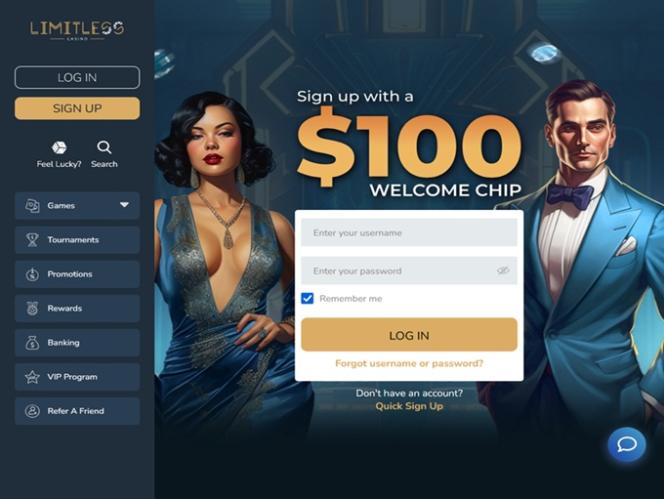
Whether Limitless Casino is available to UK residents is a separate question from whether it permits anonymous play. Before registering, check the operator’s current licence information and confirm that the licence covers gambling offered to customers in Great Britain. A website being accessible from the UK does not, by itself, prove that it is authorised to serve UK players.
Look for the operator’s legal name, licence details, terms for restricted countries and the regulator’s information. If the site does not clearly explain whether UK residents may open accounts, ask customer support in writing before depositing. If the operator is not licensed for the UK market, local consumer protections and complaint routes may not apply in the same way as they would at a UK-licensed casino.
UK players should also be aware that regulated gambling services can require identity and financial checks. An operator may ask questions about the source of funds or request additional evidence where necessary. No legitimate review can guarantee that a particular account will avoid checks or that a withdrawal will be approved without verification.
Account privacy and payment records
Even when a casino does not display a player’s real name publicly, playing online is not the same as leaving no trace. The operator may retain account and transaction records, while a bank, card provider or e-wallet may show payments on its statement. The precise description depends on the payment method and provider.
Before choosing a deposit option, check the casino’s cashier for minimum and maximum limits, supported currencies, processing times and any fees. Confirm whether the same method must be used for withdrawals. Some payment services do not support gambling transactions, and a method available for deposits may not be available for cash-outs.
Never use a virtual private network or inaccurate location details to get around geographical restrictions. Location checks and account rules exist for a reason, and attempts to bypass them may violate the terms. If you travel, contact support to understand whether you can access your account from abroad.
Withdrawals: what to expect
A withdrawal can take longer than a deposit because the casino may first review the account, confirm identity and check the payment method. The time shown in the cashier may describe the operator’s processing stage, not the time required for a bank or payment provider to complete the transfer. Read the withdrawal policy carefully and keep screenshots or confirmation emails for your records.
To withdraw winnings at limitless online casino, players should first confirm that the account details are accurate and that any requested verification has been completed. This exact phrase is not a guarantee of a particular payment method, processing speed or outcome. The casino’s current cashier and terms determine which options are available to eligible customers.
If a withdrawal is delayed, ask support for a clear explanation, the outstanding requirements and an estimated next step. Avoid repeatedly cancelling and resubmitting a withdrawal unless support instructs you to do so. Keep a record of dates, amounts and correspondence. If the operator is licensed in the UK, use its formal complaints process and check the regulator’s guidance if the issue remains unresolved.
Games, bonuses and responsible play
Casino lobbies commonly include slots, table games and live-dealer titles, but availability varies by location and account status. Check each game’s information panel for its rules, return-to-player figure and any special features. A theoretical return-to-player percentage describes long-run statistical expectations, not a promise that an individual session will return a particular amount.
Bonuses can also come with restrictions. Before accepting an offer, review its wagering requirement, eligible games, maximum bet, expiry date and withdrawal limits. If any condition is unclear, ask support before opting in. A bonus can make funds subject to rules that do not apply to an ordinary cash balance.
Set a spending limit before playing and treat deposits as entertainment costs, not a way to make money. Do not borrow to gamble or chase losses. UK players can use blocking tools, bank gambling controls and self-exclusion services where available. If gambling stops feeling manageable, pause play and seek support from a recognised organisation.
Questions UK players should ask
Can I browse without creating an account?
Some casino pages and game previews may be viewable without registration, while real-money play generally requires an account. Check the site directly; access to a demo or lobby does not establish that UK residents can gamble for money there.
Will I need to verify my identity?
Possibly. Verification requirements depend on the operator’s procedures, the applicable rules and the account activity. Be prepared to provide accurate information and requested documents. Do not deposit if you are unwilling to complete checks that may be required before a withdrawal.
Does “anonymous” mean my bank will not see a payment?
No. Payment providers may record transactions, and the casino may retain account data. The way a payment appears can vary, so consult your bank or provider if you have questions about statements and privacy.
What should I do if the casino will not confirm UK eligibility?
Do not open an account or deposit until you have verified that the operator accepts UK customers and is appropriately authorised. Save the response from support and consult official UK regulatory information if the licensing position is unclear.
Verdict
Limitless Casino should not be approached as a way to gamble without identification. A player may be able to browse some content without registering, but real-money access and withdrawals can involve personal details, payment records and verification checks. The casino’s name is not evidence of anonymous access or unrestricted UK availability.
For a UK player, the sensible order is to confirm that the operator is authorised to serve the country, read the terms and privacy policy, check payment and withdrawal rules, and understand what documents might be requested. If any of these points cannot be verified clearly, choose not to deposit. Privacy matters, but it should not come at the cost of unclear licensing, unreliable payment expectations or avoidable account disputes.
